
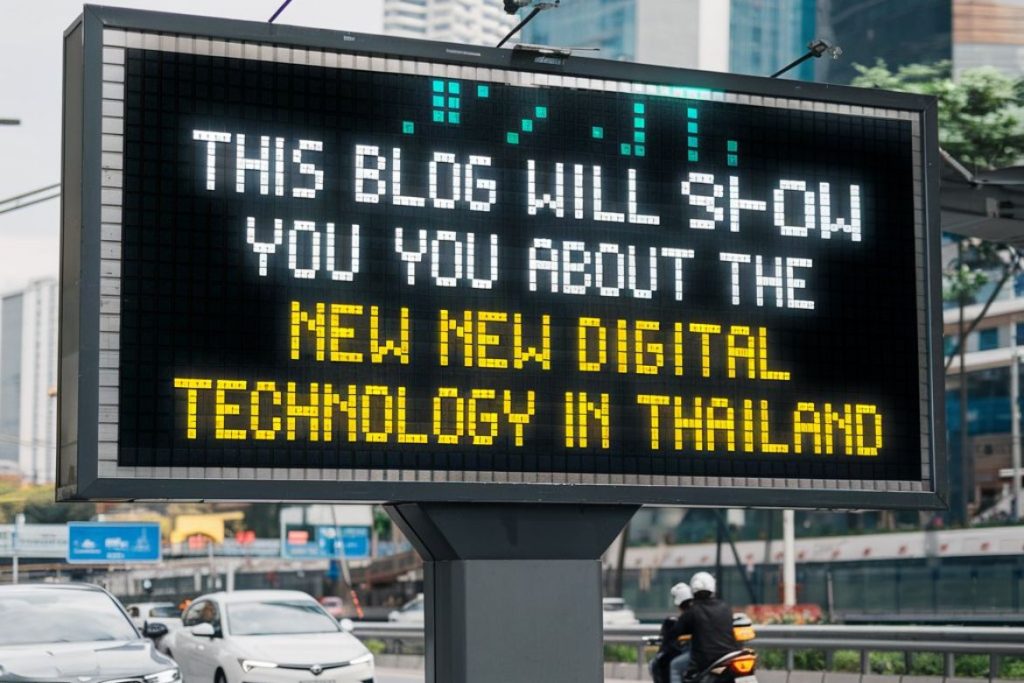
In the heart of Southeast Asia, This blog will show you about the new digital technology in Thailand. As the country continues to invest heavily in its digital infrastructure and ecosystem, it is transforming from a traditional agricultural economy to a cutting-edge digital hub that attracts global attention. This comprehensive exploration will delve into the most exciting digital technologies reshaping Thailand’s landscape, highlighting the country’s remarkable journey towards becoming a digital frontier.
The Digital Landscape: Understanding Thailand’s Tech Ecosystem
Government Initiatives and Digital Transformation
The Thai government has been instrumental in fostering a robust digital environment through its ambitious ‘Thailand 4.0’ economic model. This strategic vision aims to leverage digital technologies to drive economic growth, enhance national competitiveness, and create a more innovative society. Key initiatives include: visit Tech.Desacanggu.id for more insights:
- Substantial investments in digital infrastructure
- Creating special economic zones for tech startups
- Developing comprehensive digital skill training programs
- Implementing policies that encourage technological innovation
Digital Infrastructure and Connectivity
Thailand has made significant strides in improving its digital infrastructure. With high-speed internet penetration reaching over 70% of the population and mobile connectivity exceeding 130%, the country has established a strong foundation for digital technologies to flourish.
Emerging Digital Technologies Transforming Thailand
1. Artificial Intelligence and Machine Learning
Artificial Intelligence (AI) is no longer a distant concept in This blog will show you about the new digital technology in Thailand but a rapidly growing reality. Industries ranging from finance and healthcare to agriculture are embracing AI-driven solutions to enhance efficiency and create innovative services.
Key AI Applications:
- Predictive analytics in agricultural production
- Personalized banking and financial services
- Advanced healthcare diagnostics
- Smart city management systems
2. Internet of Things (IoT) Revolution
Thailand is witnessing unprecedented growth in IoT technologies, with smart solutions being implemented across various sectors. From industrial manufacturing to smart home technologies, IoT is creating interconnected ecosystems that optimize performance and user experience.
IoT Implementation Highlights:
- Smart manufacturing processes
- Agricultural monitoring systems
- Energy consumption optimization
- Advanced logistics and supply chain management
3. Blockchain and Cryptocurrency Innovations
Despite regulatory challenges, Thailand has emerged as a progressive nation in blockchain and cryptocurrency technologies. The country’s forward-thinking approach has attracted international blockchain developers and cryptocurrency entrepreneurs.
Notable Developments:
- Regulated cryptocurrency exchanges
- Government-backed blockchain initiatives
- Emerging fintech startups leveraging blockchain
- Research and development in decentralized technologies
4. 5G Technology and Telecommunications
Thailand is at the forefront of 5G technology deployment in Southeast Asia. Major telecommunications companies are rapidly expanding 5G network coverage, promising unprecedented connectivity and technological possibilities.
5G Impact Areas:
- Enhanced mobile broadband
- Industrial automation
- Telemedicine services
- Advanced entertainment and gaming experiences
Startup Ecosystem and Digital Innovation
Tech Startup Landscape
Bangkok has transformed into a vibrant tech startup hub, attracting both local and international entrepreneurs. The city hosts numerous incubators, accelerators, and innovation centers that support digital technology startups across various domains.
Startup Sectors Gaining Momentum:
- Fintech
- E-commerce platforms
- Healthcare technology
- Educational technology
- Logistics and delivery services
Investment and Venture Capital
Venture capital firms and international investors are increasingly recognizing Thailand’s potential in the digital technology space. Significant funding is being channeled into promising startups, creating a robust ecosystem of innovation and growth.
Challenges and Future Outlook
Digital Skills and Education
While Thailand has made remarkable progress, challenges remain in developing a comprehensive digital workforce. Continuous investment in digital skills training, educational reforms, and collaboration between industries and academic institutions will be crucial.
Regulatory Frameworks
Developing adaptive and supportive regulatory frameworks will be essential in maintaining Thailand’s competitive edge in digital technologies. Balancing innovation with necessary consumer protections will be a key focus area.
Conclusion: Thailand’s Digital Transformation Journey
This blog will show you about the new digital technology in Thailand crossroads, combining traditional strengths with cutting-edge digital innovations. As the country continues to invest in infrastructure, education, and supportive policies, it is poised to become a significant digital technology hub in Southeast Asia.
The future of digital technology in Thailand is not just about technological advancement but about creating a more connected, efficient, and innovative society that can compete on the global stage.
FAQs
Digital technology is transforming businesses in Thailand by streamlining operations, improving customer experiences, and opening up new revenue streams. Innovations such as e-wallets, mobile apps, and automated services are helping businesses reach more customers and increase efficiency.
The Thai government has introduced various initiatives such as “Thailand 4.0” to foster a digital economy. Programs focus on creating a robust digital infrastructure, supporting start-ups, and encouraging the adoption of innovative technology across sectors.
Key sectors impacted include finance (with the rise of fintech and digital banking), healthcare (with telemedicine and e-health solutions), education (e-learning platforms), and retail (e-commerce growth and online marketplaces).